When Is the Best Time to Visit Malta? A Season-by-Season Guide

Wondering when the best time to visit Malta is? The short answer is that there isn’t one “perfect” time to visit Malta. It really depends on what kind of trip you want. If you’re dreaming of swimming in crystal-clear Mediterranean water, summer and early fall are hard to beat. If you’re more interested in exploring historic cities like Valletta and Mdina without the heat and crowds, early spring and late fall are ideal. And if you’re looking for the quietest and most affordable time to visit, a winter visit to Malta is for you.
Based on my experience visiting Malta, I’ve come to understand that each season offers something a little different. In this guide, I’ll walk you through what to expect season by season, including weather, swimming conditions, crowds, and festivals so you can decide when Malta is right for you.
Quick Guide on When to Visit Malta
If you want…
- Warm weather and swimming: June to October
- Sightseeing and comfortable temperatures: April, May, and October
- Lowest crowds and prices: November to March
- Warmest sea temperature: August and September
If I had to choose one month, I’d pick October. The sea is still warm enough for swimming, but the summer heat has eased, and the crowds are comparatively smaller than summer as well.
Malta Weather at a Glance
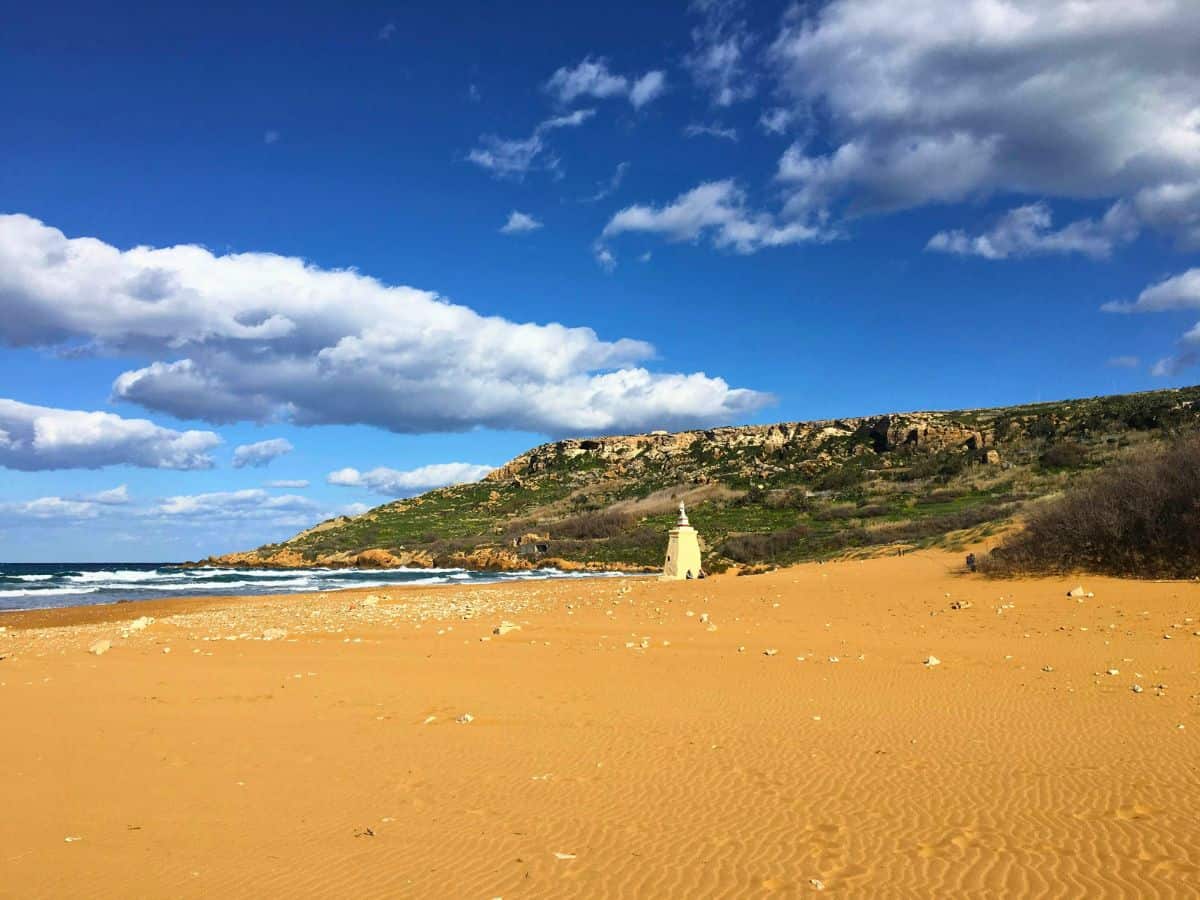
Malta has a classic Mediterranean climate. Summers are dry and hot, while winters are mild and wetter than the rest of the year.
Still, there is plenty of sunshine year-round – Malta has over 300 days of sun per year!
Even in winter, you’ll often get bright sunny days. So while December and January are the rainiest months, that certainly doesn’t mean it rains nonstop.
Visiting Malta in Winter (December to February)
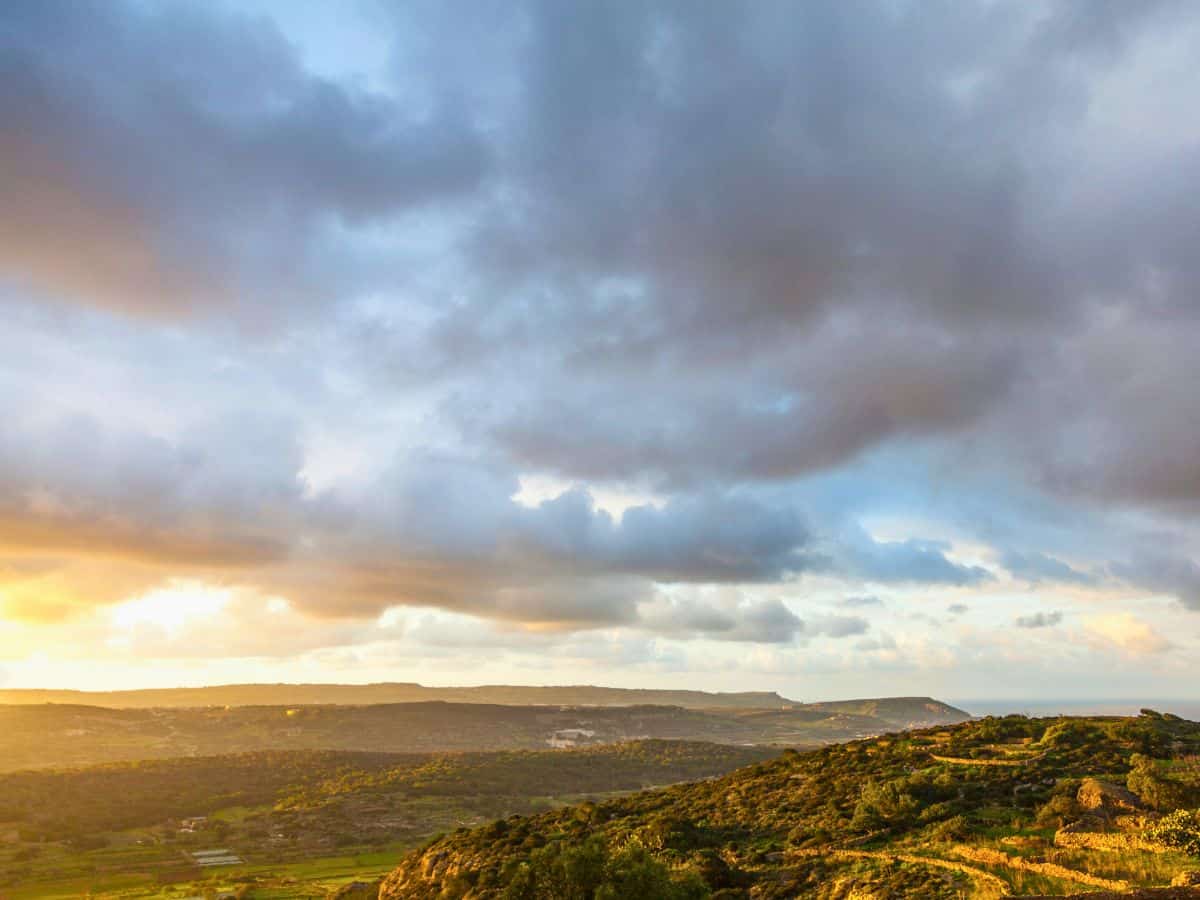
Winter is the quietest time to visit Malta, but depending on where you’re visiting from, the weather can be pretty nice. Temperatures are mild compared to much of Europe, with daytime highs usually in the low 60s°F (around 15-17°C). Nights can feel cool, especially when there’s wind.
What to Expect in Winter
- Cool but generally mild temperatures
- Highest chance of rain
- Fewer tourists
- Lower hotel prices
Is Winter Good for Swimming?
For most travelers, swimming isn’t an option in Malta during the winter.
This is when the Mediterranean Sea is at its coldest, and the conditions can be rough. Some people still swim, especially on a warm, sunny day. But it’ll feel brisk. If you do choose to go in the sea in winter, be very cautious and pay close attention to local weather and sea conditions.
Best For
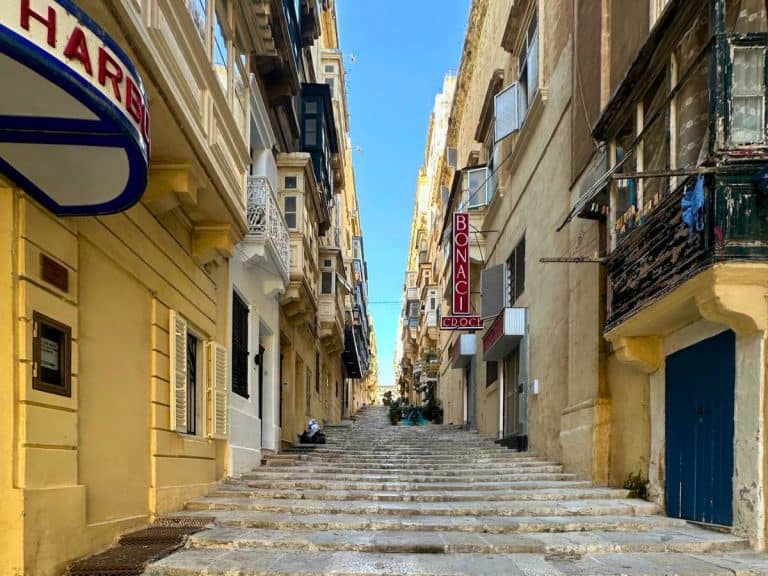
Visiting Malta in the winter is ideal for exploring historic sites like Mdina, the citadel on Gozo, and megalithic temples, as well as Malta’s many museums. With minimal cruise ship traffic in winter as well, exploring Valletta’s streets will feel relatively spacious.
Since the crowds are comparatively lower in the winter than in other seasons, you’ll be able to explore Malta at your own pace without feeling rushed by others.
If you’re traveling on a budget, accommodation costs tend to be lower during the winter. And if you’re traveling from North America or further away, long haul flights to Europe during the winter are much lower than the rest of the year.
A winter visit to Malta is a great time to visit historic Mdina – you can book a walking tour to learn about Malta’s “silent city” as well as adjacent Rabat.
Winter Events
Depending on when in the winter you visit Malta, you might be able to experience local festivals and celebrations, mostly tied to the country’s strong Catholic traditions.
In November and December, you can visit Christmas markets and celebrations. Later, in February, Carnival is a celebration worth experiencing if your visit lines up with it.
My Take
If you’re more interested in culture and history than beach time for your visit to Malta, winter can be the best time to visit Malta.
Visiting Malta in Spring (March to May)
Spring is one of the best times to visit Malta. The weather becomes warmer and sunnier, the landscape is still green, and the crowds are manageable.
Daytime highs climb quite a bit during this period, with an average high of 63°F (17°C) in March climbing to the mid 70s°F (23-24°C) in May. While March can be rainy, it’s generally less rainfall than the winter months, and by April and May, rainfall drops significantly.
Swimming in Spring
The Mediterranean Sea is still warming up from winter during this period, so expect cool water, especially in March and April. Just like winter, you’ll see people swimming, but the water doesn’t become comfortable for most people to swim until late May or so.
What to Expect in Spring
- Warmer, dryer days than winter
- Crowds picking up, especially around Easter
- Sea likely too cool for swimming in early spring
Best For
Just like winter, spring in Malta can be an ideal time for sightseeing. You’ll find more crowds than the winter months, but still less crowded than summer. The exception, of course, is Easter, where celebrations in Malta draw many to the island’s streets.
With mild, generally dry days, hiking and coastal walks can often be most comfortable in springtime in Malta. On sunny days, patio dining for brunch or lunch can be a wonderful option (for dinner, you’ll likely need a jacket).
Looking to book an activity for a spring visit to Malta? With mild (but not too hot) temperatures, walking tours at this time of year can be perfect. Consider this walking food and culture tour in Valletta.
Spring Events
Malta is a predominantly Catholic country, and Easter is a major celebration with elaborate processions and religious events. If you’re visiting around this time, be sure to book accommodations in advance. Reservations for dinner are also wise.
My Take
Spring offers a great balance of mild weather and fewer crowds. It’s an excellent choice if you want to explore Malta actively, but aren’t too interested in swimming in the sea.
Visiting Malta in Summer (June to August)
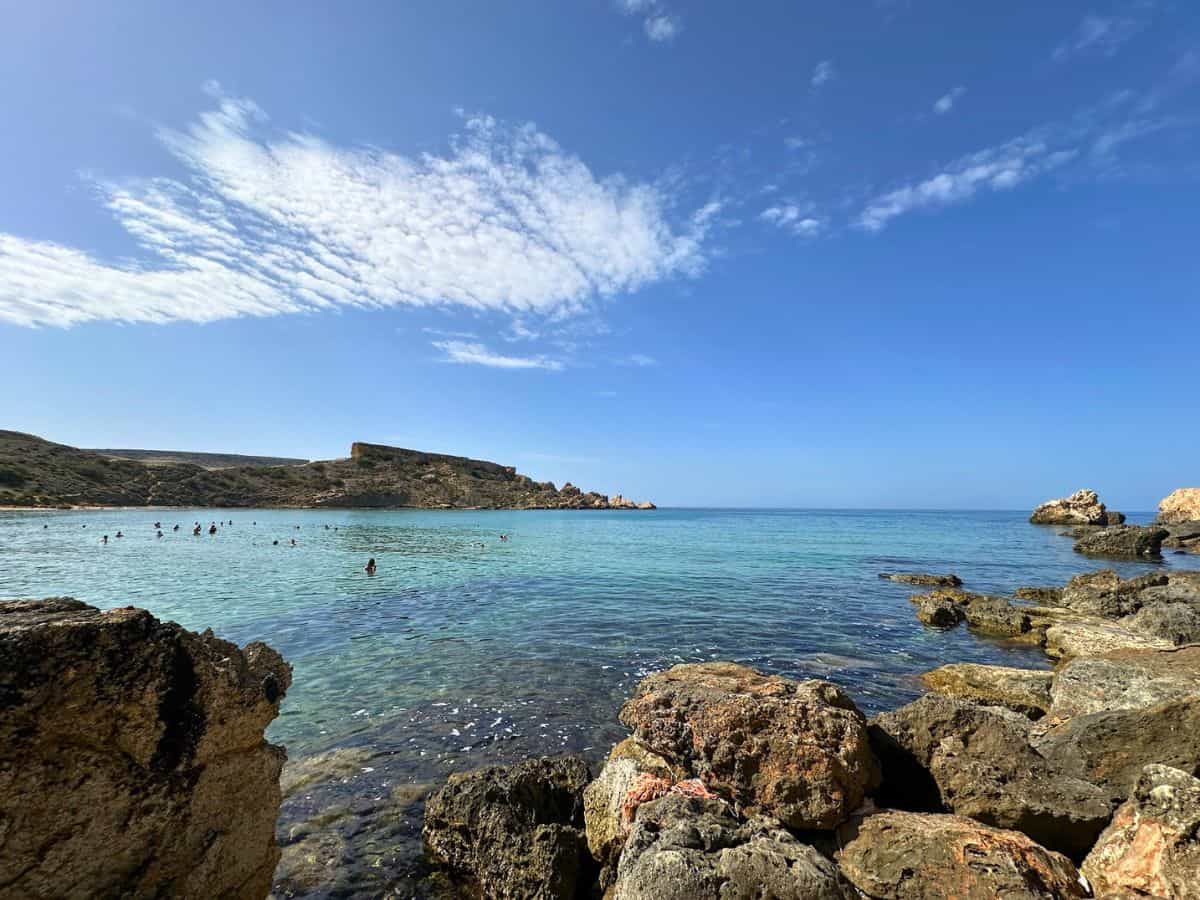
Summer is peak season in Malta, thanks to travels from around the world visiting this tiny island country for its beautiful swimming conditions. The weather is dry and hot, with highs typically in the mid- to upper 80s°F (upper 20s to low 30s°C). Like much of southern Europe, July and August can feel intensely hot, especially in the middle of the day.
What to Expect in Summer
- Hot, dry days
- Heaviest crowds (especially places like Blue Lagoon)
- Higher prices
Swimming in Summer
This is where Malta truly shines. By June, the sea is warm, clear, and perfect for swimming, snorkeling, boat excursions, and leisurely beach days.
Just be sure to pack your water shoes, as many of Malta’s best swimming spots are rocky entry.
Best For
If you love to swim and don’t mind hot, sunny days, a summer visit to Malta is for you.
Still, if you’re like me love swimming but don’t love hot weather or being in the sun too much (in addition to being Maltese, I’m half Irish!), you can absolutely still enjoy Malta during this period. I recommend getting outside early in the morning, doing an indoor activity (or lounging in the shade at the beach) during the day, then returning outdoors in the evening.
If you’re looking to book a water-based activity but don’t want to contribute to overcrowding at the Blue Lagoon, opt for something like this stand up paddle (SUP) excursion from Ghajn Tuffieha Bay.
Summer Events
Village festas are one of the highlights of summer in Malta. Many towns celebrate their patron saint with fireworks, music, and street decorations.
My Take
If your main goal is swimming and enjoying the sea on your visit to Malta, summer is fantastic. Just be prepared for heat and larger crowds.
Visiting Malta in Fall (September to November)
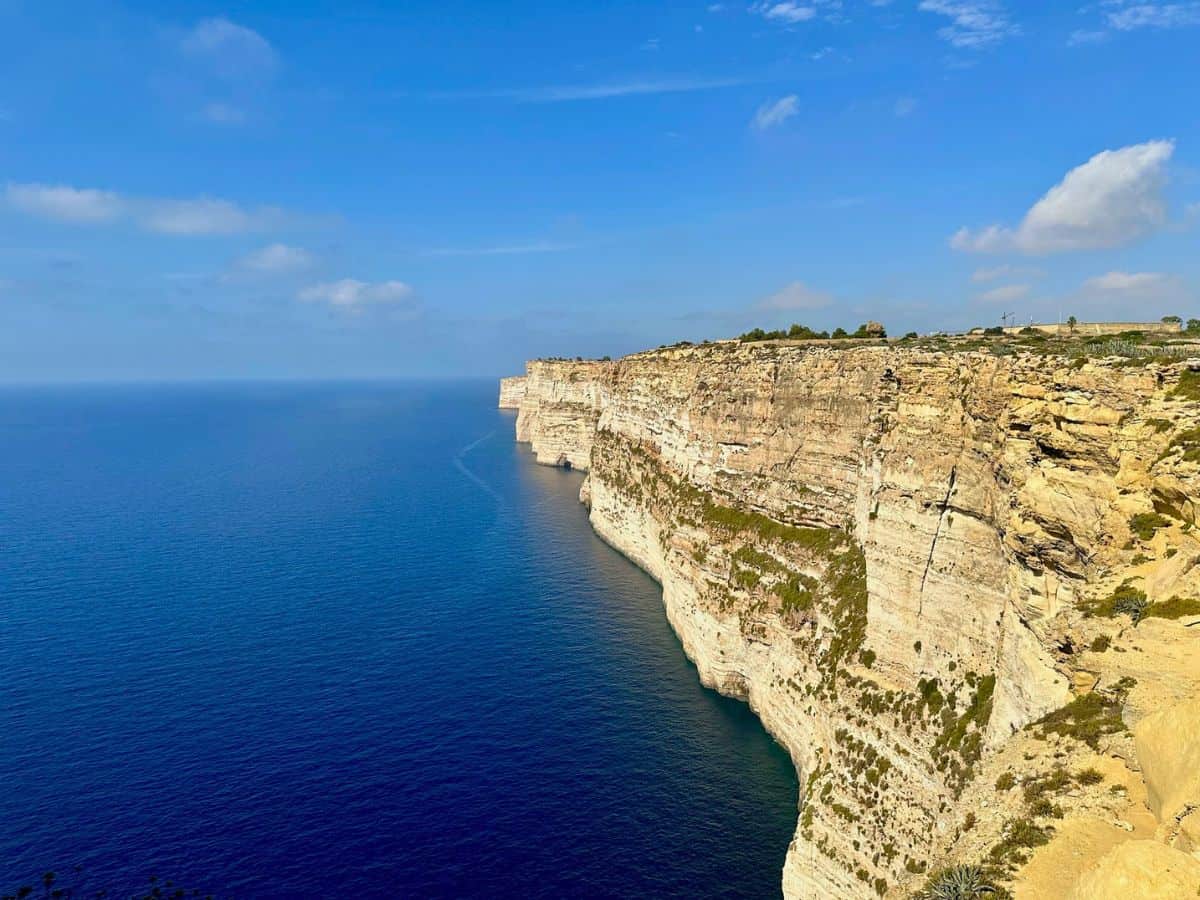
Fall is my favorite time to visit Malta. The Mediterranean Sea is still warm from the summer, but air temperatures become more comfortable, and the crowds begin to thin out, especially by late September into October.
What to Expect in Fall
- Mild temperatures, increasing chance of rain
- Fewer crowds than summer
- Sea still warm for swimming
- Cooler and wetter by late fall
Swimming in Fall
September and October offer some of the best swimming conditions of the year. The sea is often warmer than it is in June. On an October visit to Malta, we swam in the sea comfortably nearly every day.
Just be sure to check local weather conditions before getting into the water, especially if there have been storms nearby (which is more likely as you get further into fall).
Best For
A fall visit – especially late September into the first half or so of October – is sort of the “goldilocks” of a Malta visit.
The weather is typically nice, but not so hot that you need to seek shade constantly. The sea is pretty perfect for swimming, warmed by months of summer heat. And the crowds have thinned as school returns to session and people end their summer holidays.
Sure, the chance of rain increases as you head into fall, but the likelihood of rain for your entire visit is extremely low.
With more comfortable weather, fall is a great time to explore Gozo island’s natural beauty. This e-bike guided tour is a great way to explore while enjoying the mild weather.
My Take
If it’s not already obvious, an early fall visit to Malta is my all-around best pick. October really hits a sweet spot. You can still swim, the weather is comfortable, and the island feels less hectic overall.
So, When Is the Best Time to Visit Malta?
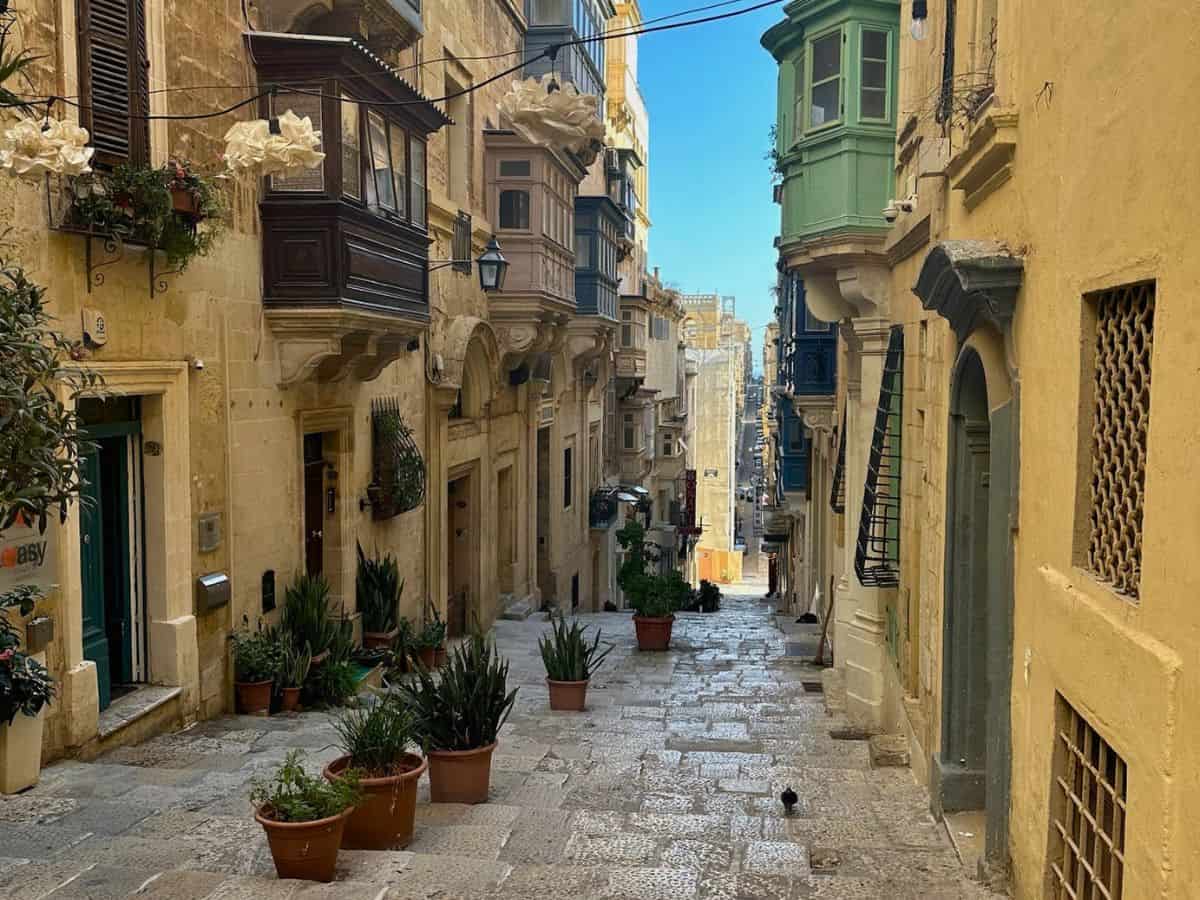
For most travelers, the sweet spot is April to May or September to October. During these months, you’ll usually find warm, sunny weather, manageable crowds, and temperatures that are comfortable for both sightseeing and spending time by the sea.
If swimming is your top priority, late summer and early fall are especially appealing because the Mediterranean is at its warmest. If you’re more interested in exploring Malta’s historic cities, ancient temples, and coastal walks, spring and late October offer a great balance of mild weather and fewer crowds.
That said, there’s no bad time to visit Malta. Even in winter, you can often expect sunshine and a much quieter atmosphere.