Is Malta Worth Visiting? What Makes This Tiny Mediterranean Country So Special
Malta often flies under the radar for travelers exploring Europe and the Mediterranean, but this tiny archipelago packs a surprising amount of history, culture, and adventure into a very small space. If you’re wondering if Malta is worth visiting, I’m here to tell you it absolutely is.
The more time I spend exploring Malta, the more I’m surprised by how much variety exists in such a small space. From its limestone cities to crystal-clear waters, Malta has a personality all its own – different from anywhere else in Europe. Whether you’re drawn to history, food, outdoor exploring, or simply soaking up Mediterranean sun and atmosphere, here’s what makes Malta such a compelling destination.
First Impression: Malta Feels Familiar & Different
Stepping onto Malta for the first time can be unexpectedly striking. It feels familiar and different all at once – and that’s part of what makes it worth visiting. It’s in Europe, yet it looks and feels distinct from much of the continent. It’s not Sicily, it’s not Greece, it’s not any of the other Mediterranean islands you might be picturing – it’s Malta.
English is an official language alongside Maltese, which makes communication easy for English speakers, but you’ll also hear the Maltese language – completely unique to the islands. If you’re driving, you’ll notice another leftover from British influence: cars drive on the left, a small but constant reminder that Malta’s history has taken a very different path from many of its neighbors.
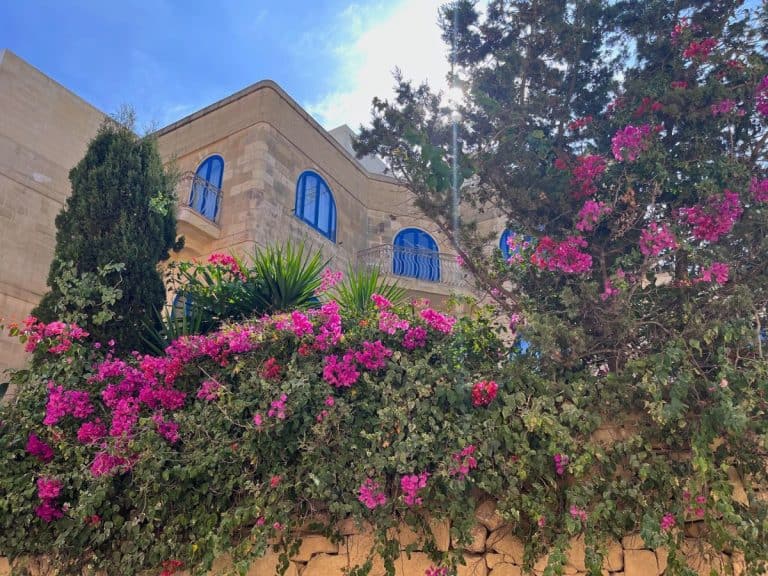
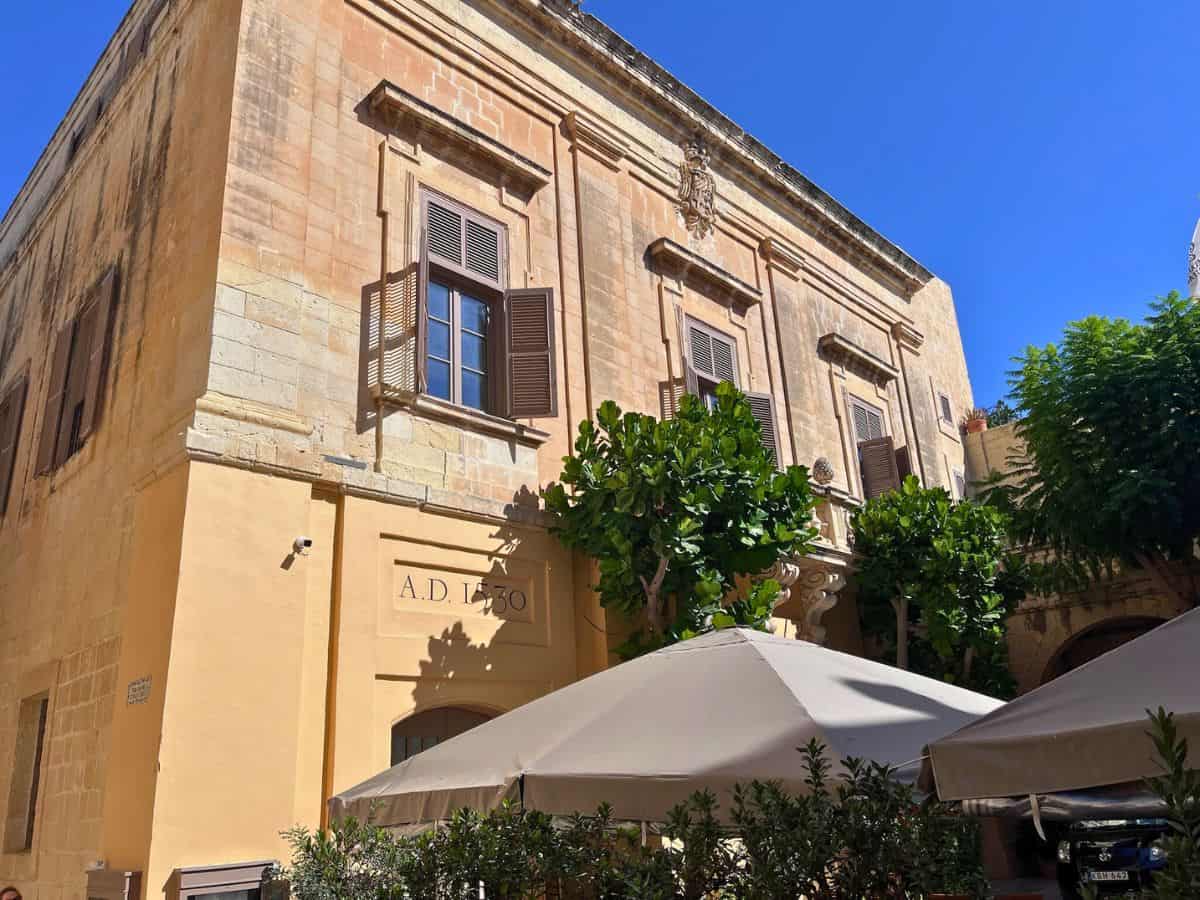
Malta’s southern Mediterranean location gives it a sun-drenched, almost arid feel. Limestone buildings dominate the landscape, creating a visual identity that’s unmistakably Maltese. Even the food reflects a mix of influences – familiar in some ways, shaped by nearby Mediterranean cuisines, but with flavors and traditions you won’t find anywhere else.
Malta is a place where expansive history and modern everyday life are layered tightly together, and that pull between the recognizable and the unexpected is exactly what gives the islands their special charm.
Layers of History
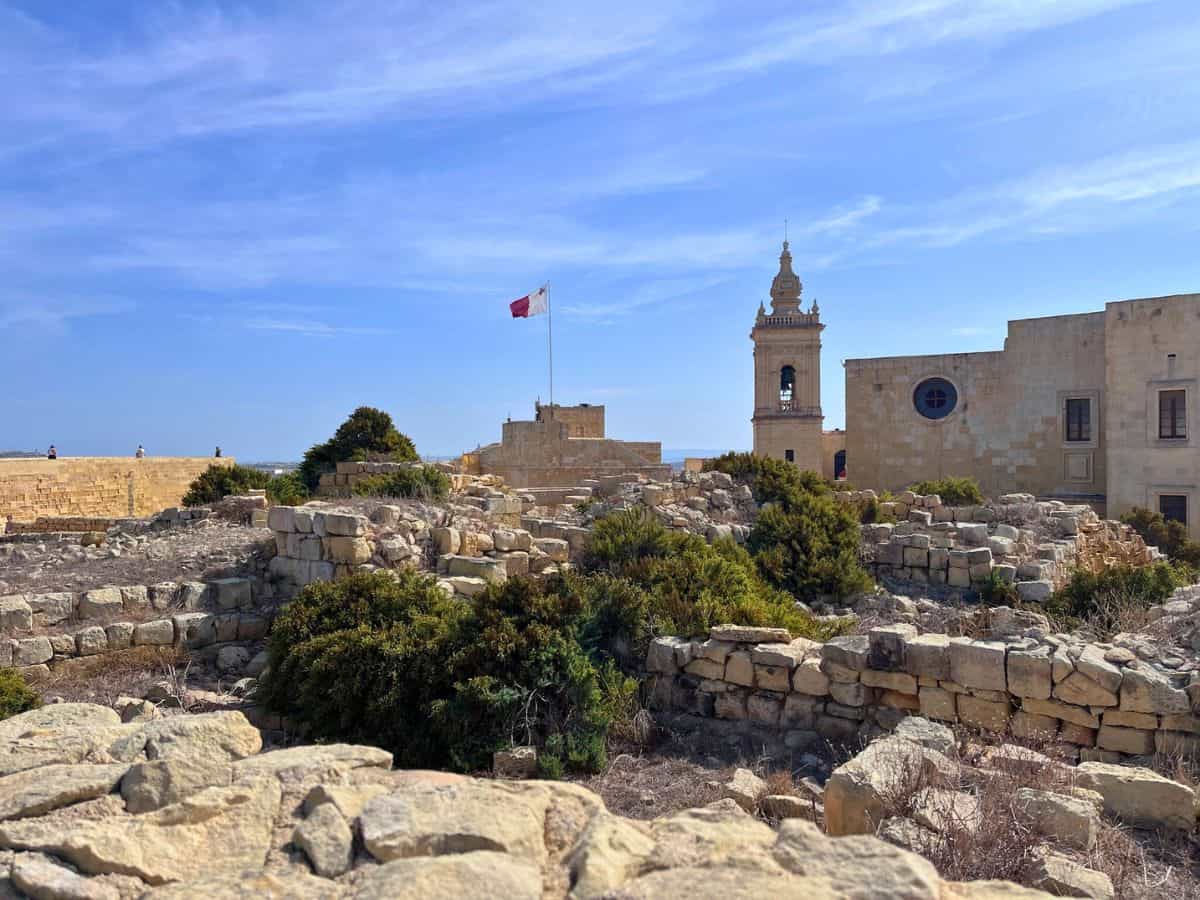
Malta’s history is surprisingly rich for such a small island country. Megalithic temples – some older than the pyramids of Egypt – sit alongside medieval fortifications, baroque churches, and the lasting imprint of the Knights of St. John, all within just a few miles of each other.
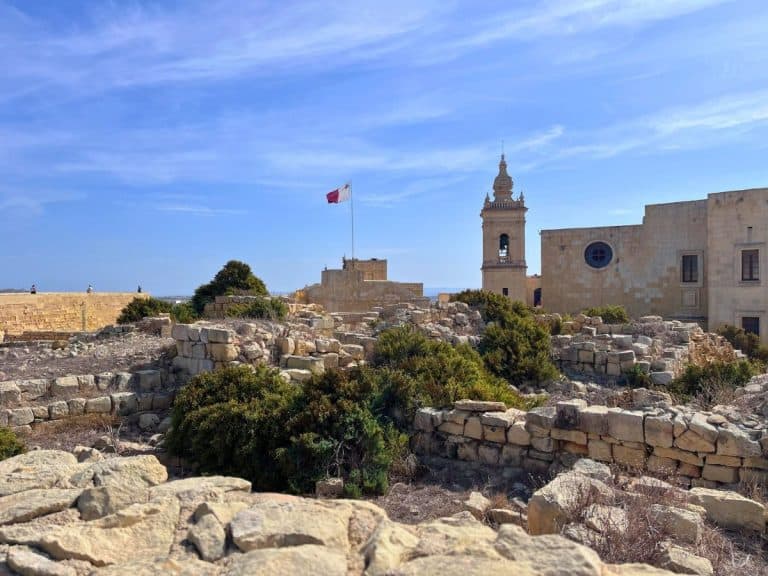
Valletta, the country’s capital and a UNESCO World Heritage Site, is packed with museums, palaces, and churches that reflect centuries of shifting power and influence. Meanwhile, Mdina’s quiet, winding streets create the feeling of stepping into another time entirely. The island of Gozo, too, is full of history, centered by the Citadella in Victoria.
Religion is another visible layer of Malta’s past and present. Traditionally, the people of Malta are strongly Roman Catholic, with more than 350 churches scattered across its towns and villages. Catholic tradition here is especially noticeable around major holidays like Easter as well as during village festas, when entire communities turn out for processions, fireworks, and celebrations that have been passed down for generations. While these traditions are rooted in centuries-old religious influence, they remain very much part of everyday Maltese life today.
For travelers who enjoy wandering through living history, Malta offers stories at nearly every turn.
Sunshine and a True Mediterranean Climate
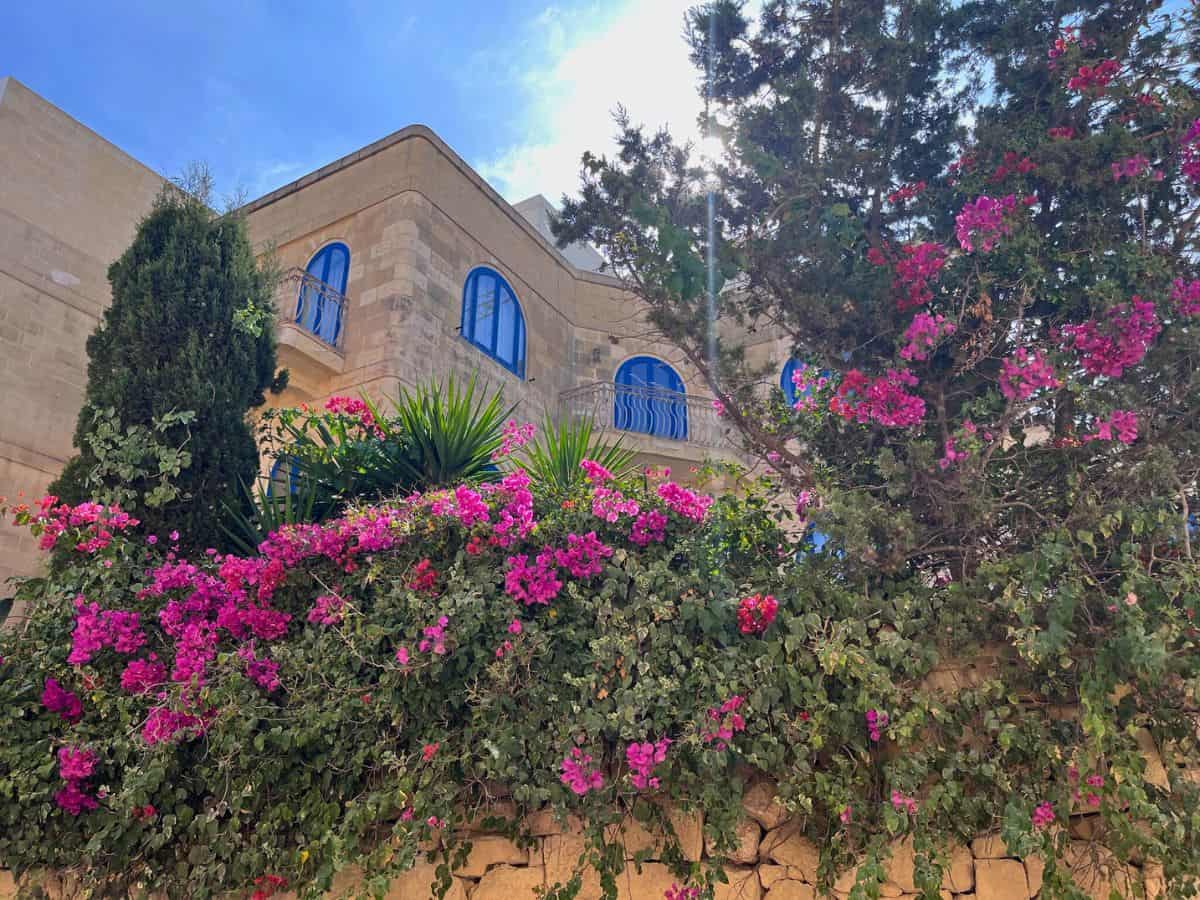
Malta’s climate is another big part of what makes it such an appealing place to visit. With more than 300 days of sunshine a year, it’s a destination that works well beyond peak summer travel.
Mild winters and warm – but often comfortable – spring and fall temperatures make it easy to spend time outdoors for much of the year in Malta, whether that means exploring cities, hiking coastal paths, or lingering by the water. Summers can get hot, but with the Mediterranean always nearby, a swim is usually within easy reach.
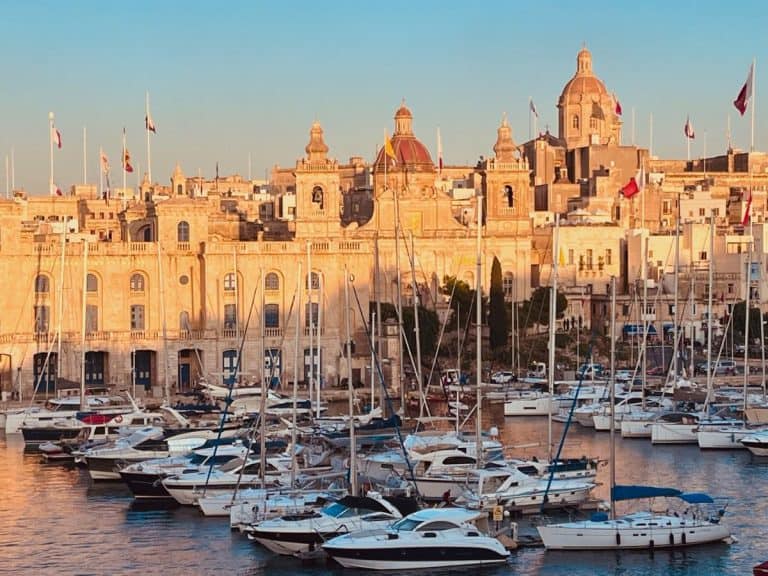
Personally, I love Malta in October. It’s warm enough to swim, but cool enough to spend full days walking through cities and along the coast without feeling worn down by the heat. Early mornings and evenings are especially beautiful, with soft light reflecting off limestone buildings and quieter streets that make wandering feel unhurried and relaxed. Shoulder seasons like this are perfect for travelers who want great weather without peak summer crowds.
No matter when you visit, know that Malta isn’t a destination that only shines for a few summer weeks. With its mild climate and long stretches of sunshine, Malta works nearly year-round – which is a big part of what makes it so worth visiting.
Water, Coastlines, and Outdoor Exploring
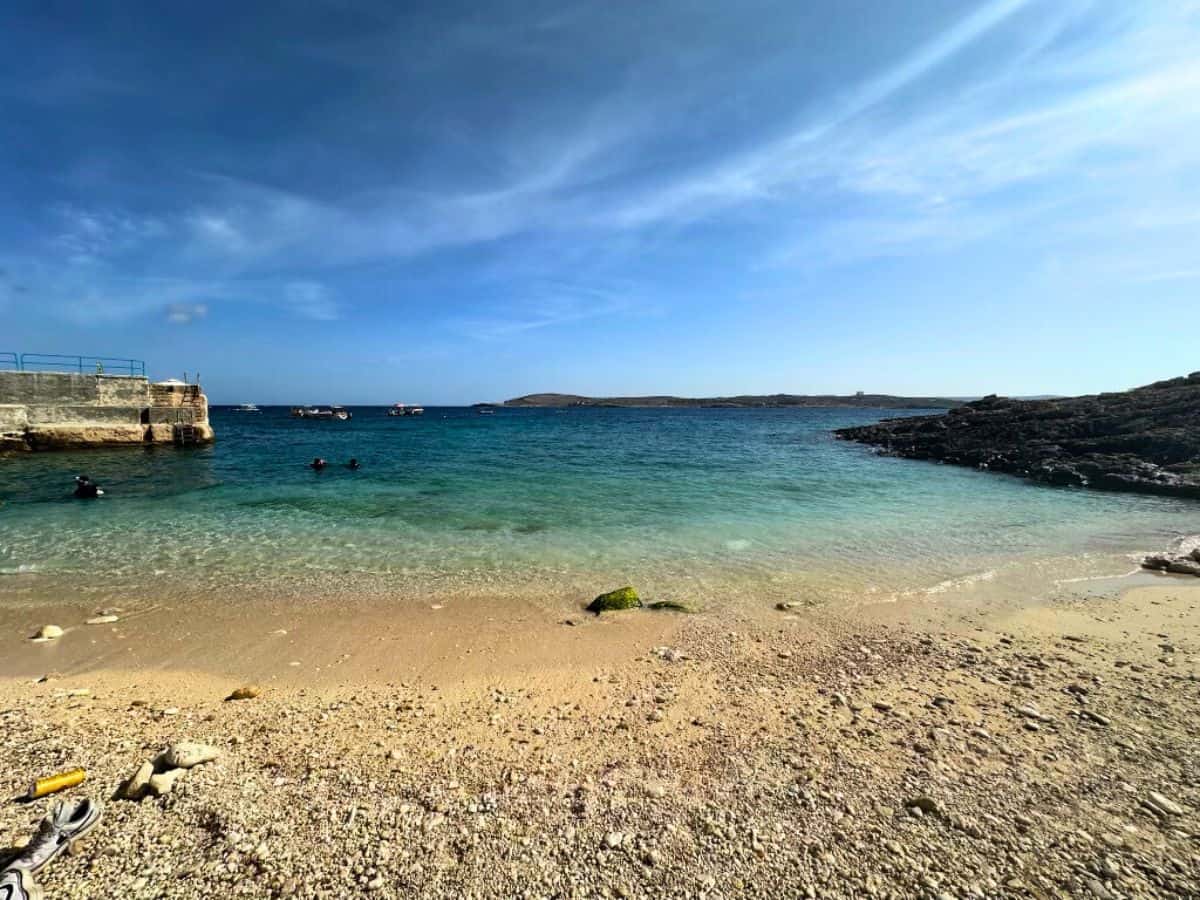
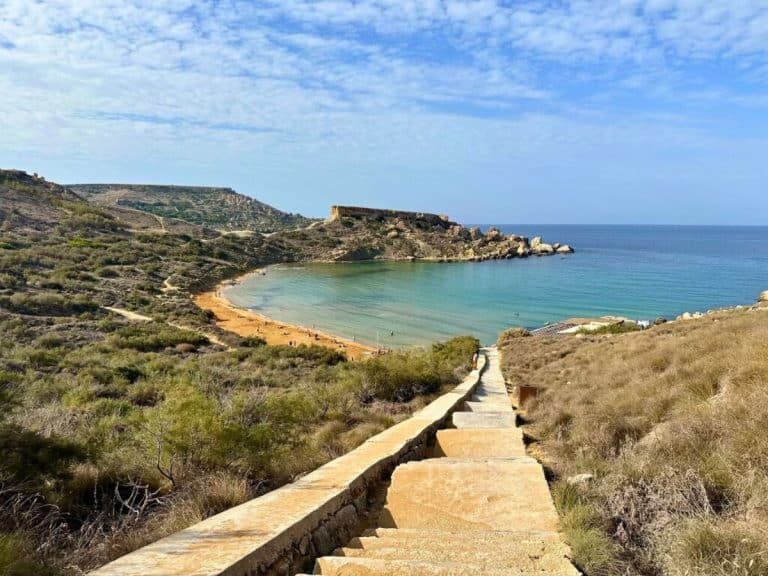
For anyone who enjoys being near the sea, Malta delivers in a big way. Swimming, snorkeling, and diving are all popular, and the variety of beaches – mostly rocky, but some sandy as well – means there’s something for every kind of beachgoer when it comes to swimming in Malta.
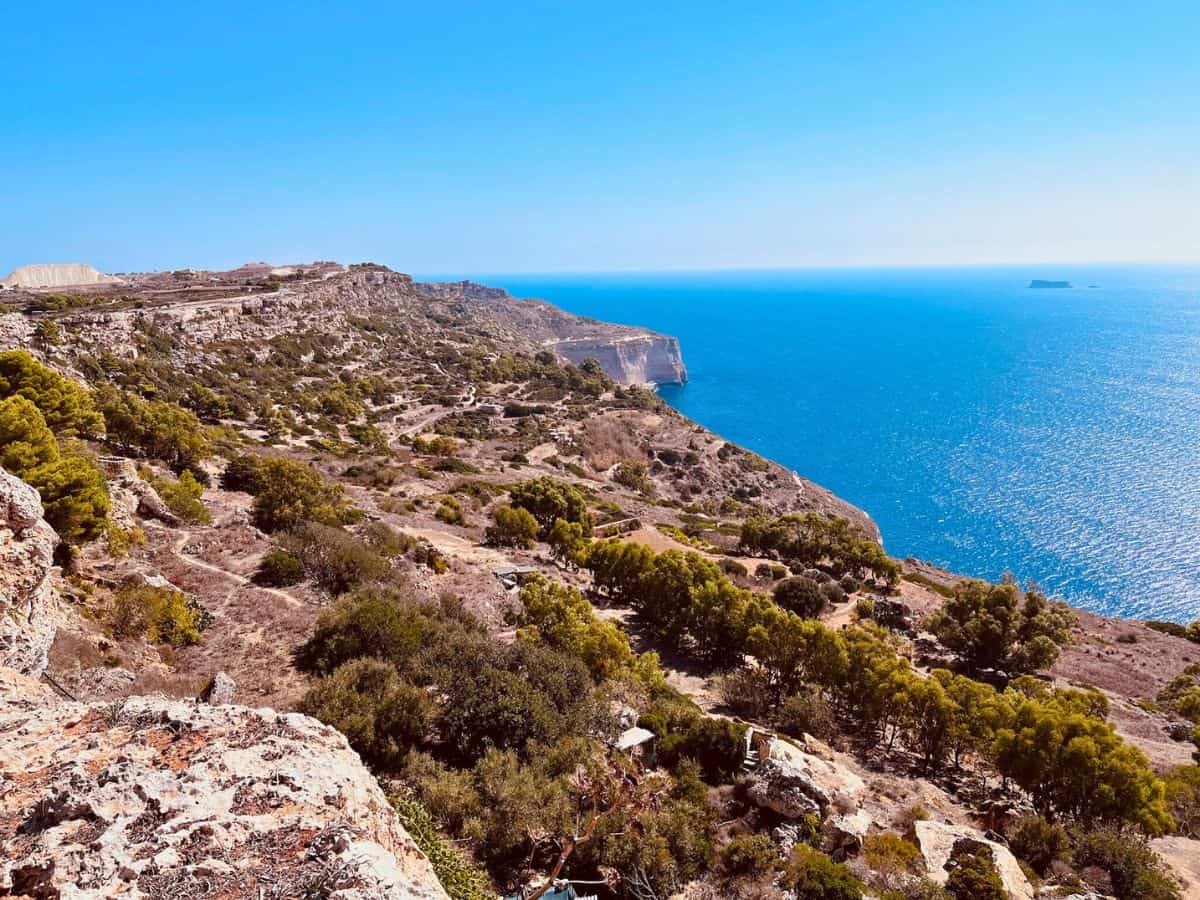
Gozo, in particular, offers dramatic cliffside hikes and quieter coastal paths, while Comino’s Blue Lagoon is famous for its striking turquoise water (just be prepared for crowds, especially in summer). Beyond the most popular spots, smaller coves and scenic walking routes make it easy to mix gentle adventure with relaxation along nearly 200 kilometers of coastline.
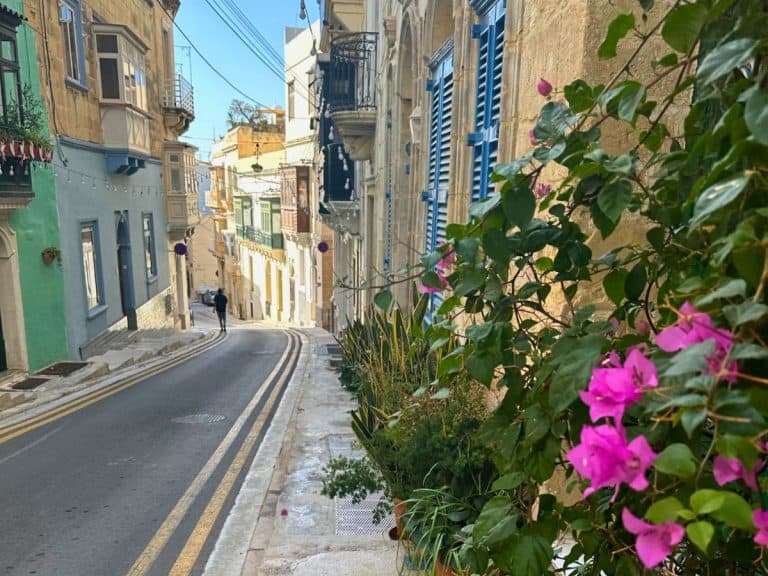
What’s especially unique is how often these outdoor experiences are woven right into urban areas. In places like Valletta and the Three Cities, it’s easy to walk through historic streets and, minutes later, find yourself overlooking the sea. You don’t have to choose between city exploring and time outdoors. In Malta, the two often blend together.
This mix of accessible outdoor experiences is a big part of what makes Malta appealing for travelers who enjoy staying active without needing extreme or technical activities. And even in winter, a simple walk along the water in the sun can feel surprisingly restorative.
Mediterranean Flavors with a Distinct Local Twist

Maltese cuisine reflects centuries of influence from Italy, Sicily, and North Africa, and beyond – but with a character all its own.
Pasta dishes like timpana, and flaky pastizzi (filled with peas or ricotta) nod to the surrounding Mediterranean, yet feel uniquely Maltese. The sea is never far, so fresh local fish often appears on menus the same day it’s caught.
Seasonal flavors like prickly pear add another distinctly Maltese touch, and local wines – of which very little is exported – offer a tasting experience you won’t find anywhere else.
Food in Malta isn’t just about what’s on your plate. It’s also about where and how you enjoy it. Sitting at a waterfront cafe while boats drift past, or stopping at a tucked away bakery for a quick bite, often feels just as memorable as any formal or fancy dinner.
For travelers who love connecting to a place through food, Malta offers both flavor and atmosphere. Familiar yet different, every dish tells a story of the islands’ history, culture, and vibrant local life.
Welcoming, International, and Easy to Feel at Home
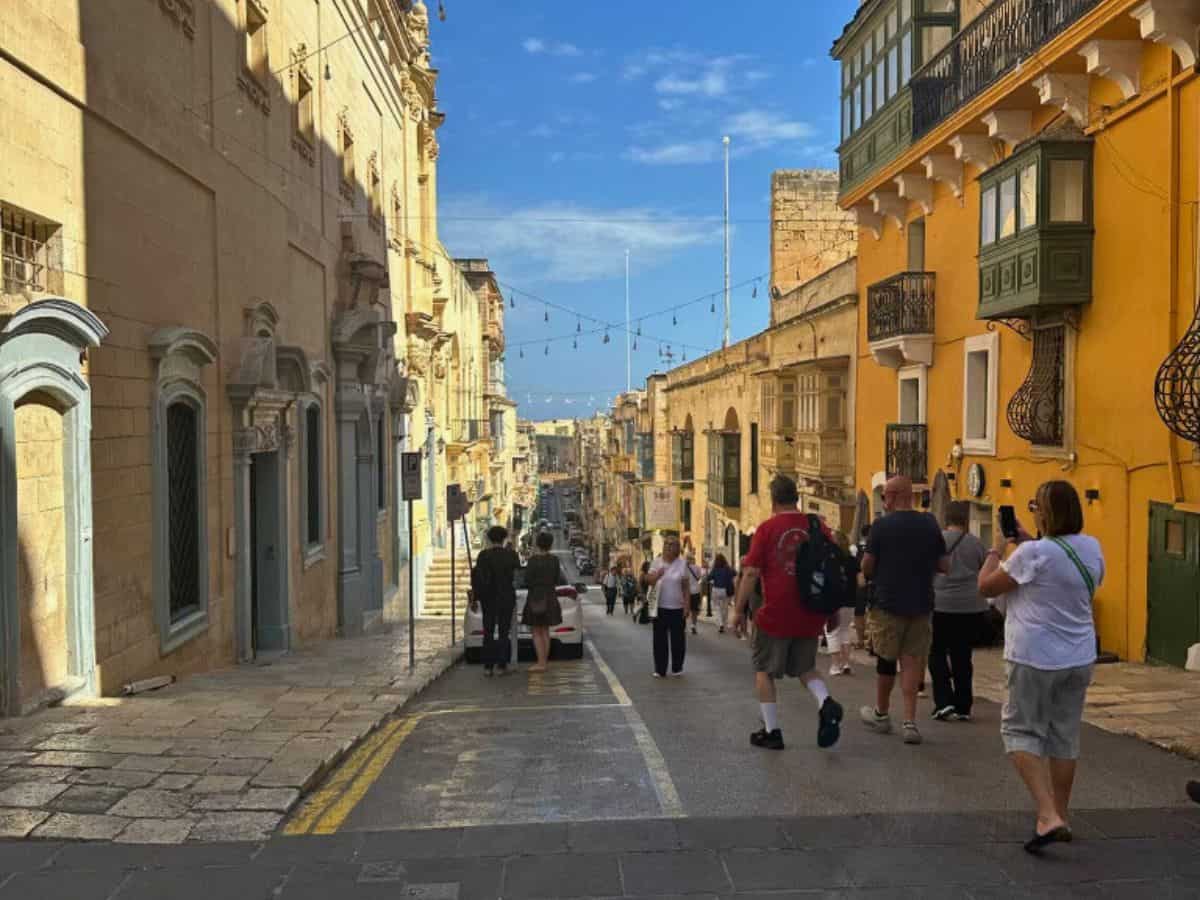
Malta is a small country with a surprisingly international feel. People from all over the world visit, work, and live here, and that diversity shows up in daily life – in the voices you hear on the street, in restaurants, and in local communities.
For travelers, that often translates into a place where it’s relatively easy to settle in and feel comfortable, even if it’s your first visit.
While Maltese culture is strong and proudly preserved, it’s also shaped by centuries of outside influence and ongoing global connections. You can see it in the construction and changes happening around the islands. In many ways, Malta’s central Mediterranean location has made it a country forever in motion, evolving and welcoming newcomers, and you get a real sense of that as a visitor.
Malta is also widely recognized as one of Europe’s most LGBTQ-friendly countries. Inclusive policies and events make it a welcoming destination for all travelers.
Personally, I feel just as safe (if not more safe) here in Malta than in many other European destinations I’ve traveled to.
Finding Quiet Corners and Slower Moments
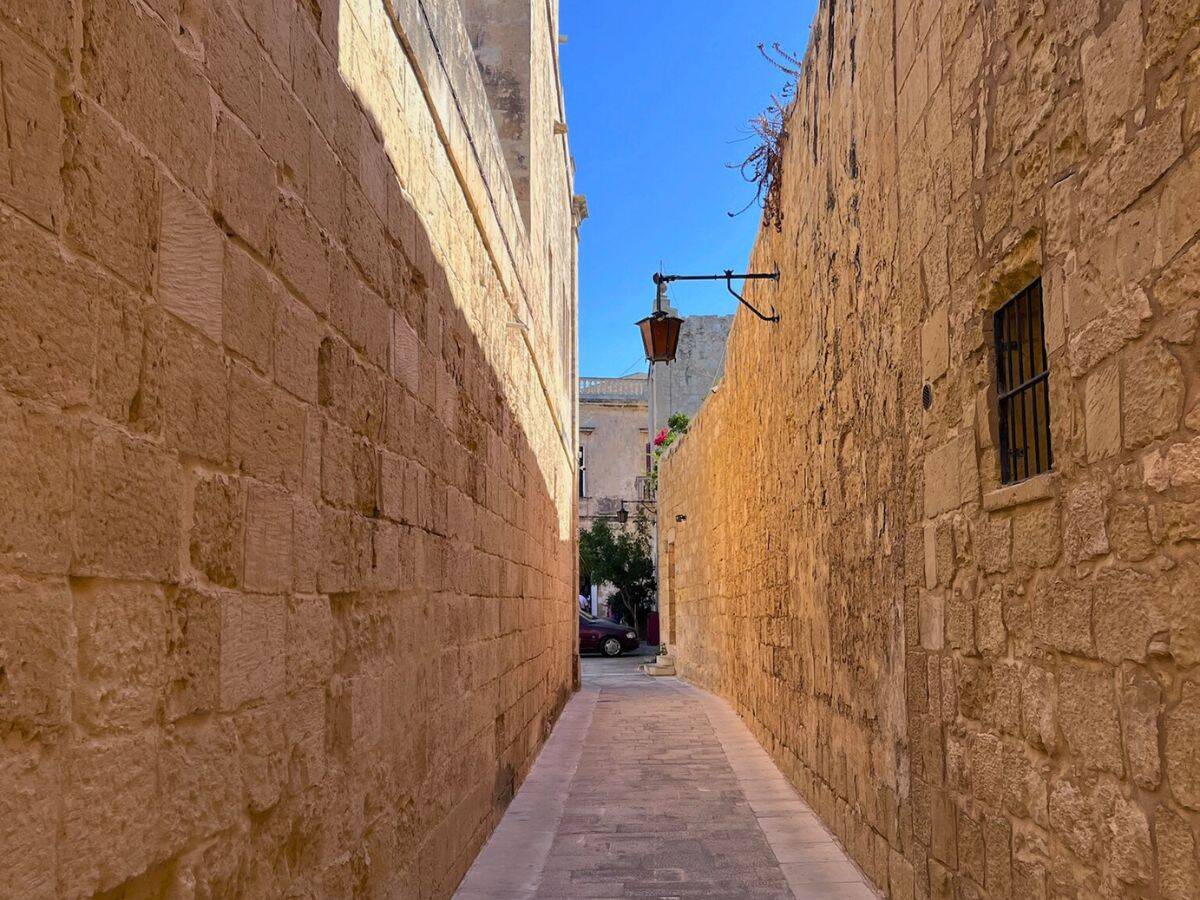
Traveling with crowds is all too normal these days, especially during peak seasons or in major cities. That’s another thing that makes Malta so appealing – it still feels a bit off the beaten path.
While Malta has its busy areas, especially when cruise ships arrive in Valletta, it’s still very possible to find peaceful spaces. Gozo’s villages, lesser-known coastal paths, and smaller beaches offer a slower pace and a more local feel.
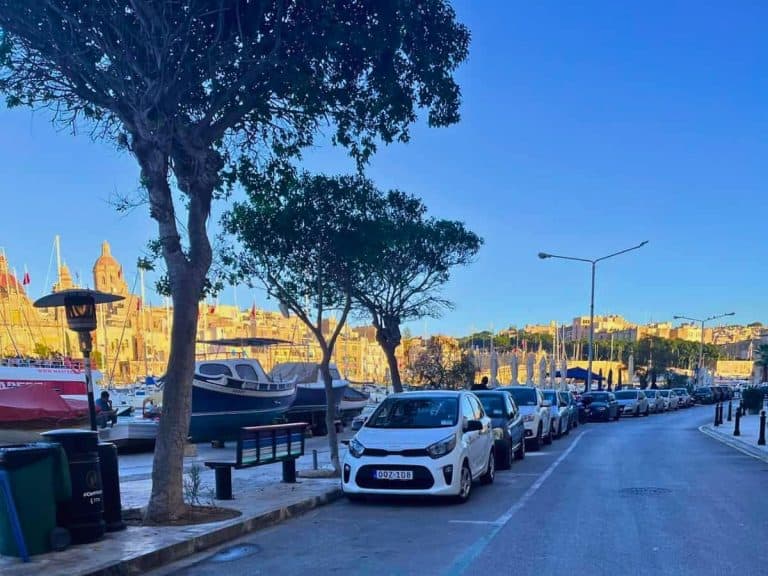
On Malta island, small coves, scenic overlooks, and residential neighborhoods provide opportunities to step away from crowds and experience daily life at a gentler rhythm. For example, I love staying in the Three Cities for its quiet, residential feel – while Valletta is just across the harbor, a quick ferry ride away.
For travelers who like balancing popular sights with quieter discoveries, Malta rewards a little extra wandering.
Variety on Such a Small Island
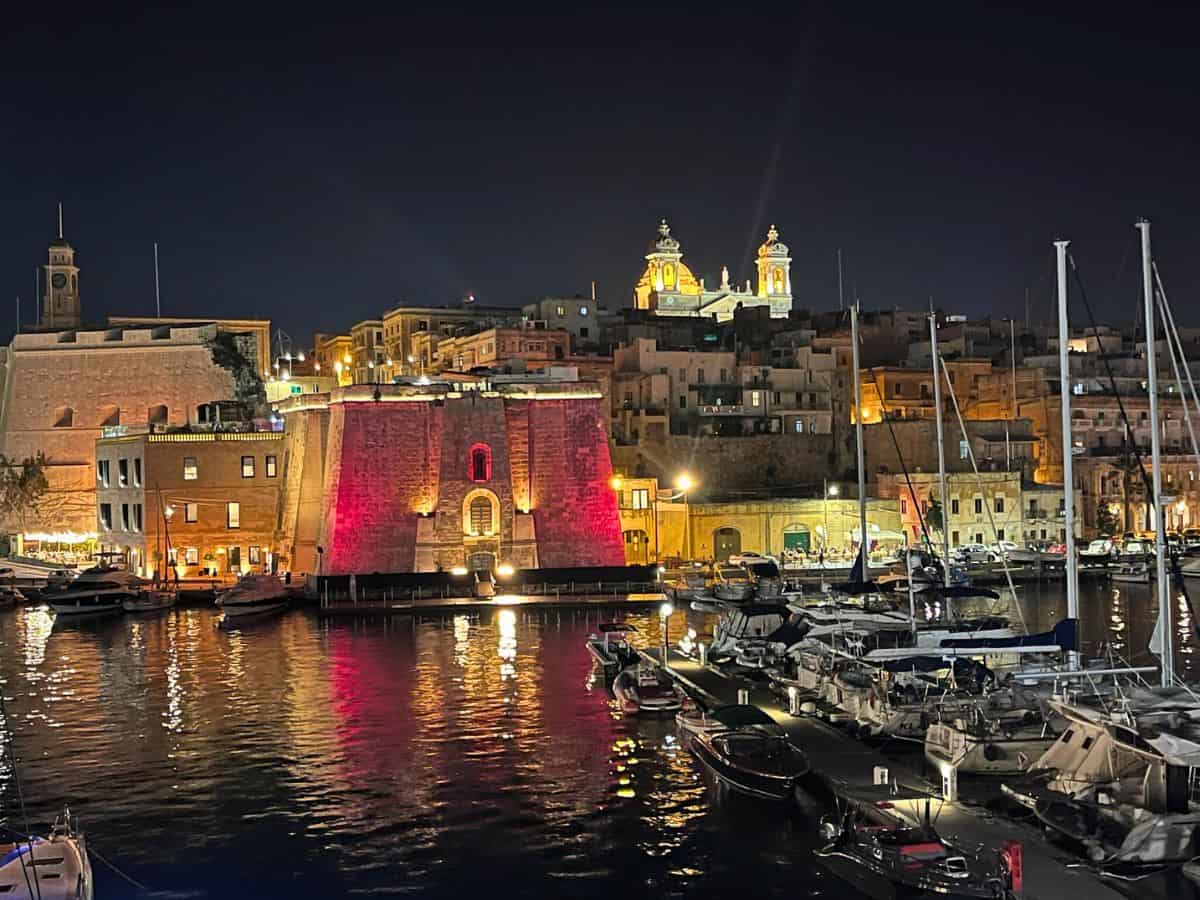
One of the reasons Malta is so worth visiting is how much it packs into a tiny area. Malta is just 122 square miles (or 316 square kilometers), and – pending traffic – you can drive across the main island in about an hour. But it’s amazing just how much you can experience on this rock in the Mediterranean.
In a week on Malta – or even just a few days, if that’s all you have – you can explore fortified cities, quiet villages, rugged coastlines, and beaches across multiple islands, sometimes all in the same day.
The contrast between bustling hubs like Valletta and Sliema and slower-paced spots in Gozo or Malta’s rural villages is striking. One moment you’re wandering through a lively square; the next, you’re alone, overlooking turquoise waters from a quiet cliff path.
Variety shows up in so many ways: the modern and the historic, the familiar and the unexpected, the city and the countryside, the food, the beaches, and the landscapes. For travelers who want a mix of experiences without hours-long transit between activities, Malta is worth a visit.
So… Is Malta Worth Visiting?
Whether you love history, culture, outdoor adventures, or Mediterranean flavors, Malta offers a mix of experiences that often feel larger than its size. Sunshine, stunning landscapes, delicious food, and a welcoming atmosphere make it a destination worth considering for your next European adventure.
What really stands out, though, is how Malta isn’t overtly “tourist-first.” You often feel like you’re moving through the islands alongside people who actually live here – not just stepping into curated sights or crowded attractions. In a world where tourist traps and overcrowding are all too common, that subtle authenticity feels refreshing.
For travelers who enjoy curious exploration – from city streets to quiet coves – Malta is a tiny country that leaves a big impression. Whether you come for a few days or visit for a week, Malta is worth the visit.